
Nigeria
+234
▲ ACTIVE THREAT - +234
Nigeria (+234) is famous for the '419 scam' (named after Nigerian criminal code section 419), the original advance-fee fraud. Modern Nigerian scam calls have evolved to include romance scams, fake inheritance claims, and business email compromise via voice.
Scam Calls from +234 (Nigeria): How to Protect Yourself
Common scam types from +234
419 / Advance-fee fraud
Caller claims you've inherited money or won a lottery and asks for fees to release the funds. Classic Nigerian scam.
Often part of long online courtships, the scammer eventually asks for money for emergencies, travel, or business problems.
Business email compromise (BEC)
Caller impersonates a CEO or supplier and demands urgent wire transfers to fake accounts.
Fake charity / NGO solicitation
Calls claiming to represent humanitarian causes in West Africa, requesting donations.
Warning signs
Red flags
- Promises of large sums of money
- Requests for upfront fees or 'taxes'
- Pressure to keep the conversation secret
- Requests to wire money internationally
- Email follow-ups from free email services
What to do
Steps
- Never send money to anyone you've only met by phone or online
- Do not engage with the caller - hang up
- Verify any 'inheritance' or 'lottery' claim independently
- Report to FBI IC3 at ic3.gov
- Warn family members, especially elderly relatives
How to block calls from +234
Carrier-level blocking
- Block the number immediately after hanging up
- Set carrier spam filters to maximum
- Block all international calls if you have no need for them
- Use call screening features on iPhone and Android
Statistics
Nigerian advance-fee fraud caused over $700 million in losses to US victims in 2024 according to FBI IC3.
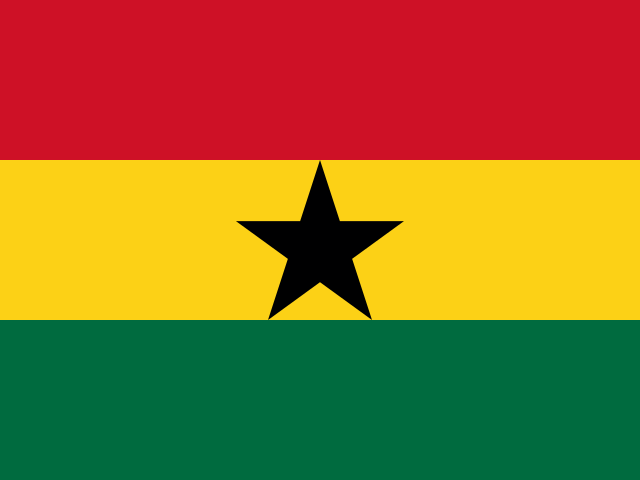 Ghana
+233 HIGH
Ghana
+233 HIGH
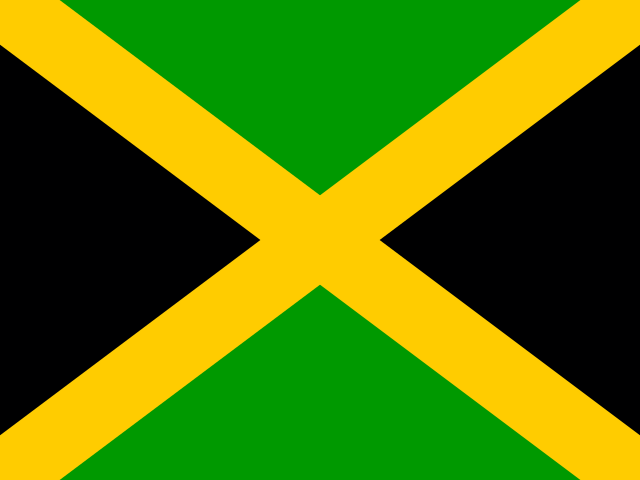 Jamaica
+1-876 HIGH
Jamaica
+1-876 HIGH
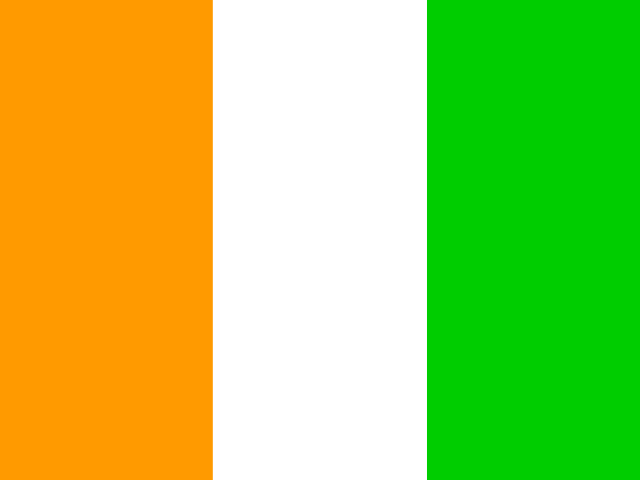 Cote d'Ivoire
+225 HIGH
Cote d'Ivoire
+225 HIGH
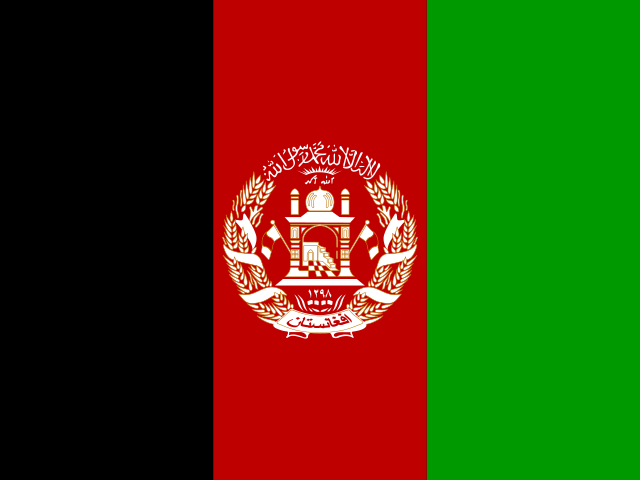 Afghanistan
+93 HIGH
Afghanistan
+93 HIGH